Why Silver Prices Crashed in 2026: An Investor’s Guide to the “White Metal” Crisis
The silver market in early 2026 has been a roller coaster. After a massive 150% gain in 2025, the “white metal” saw a sudden and violent price drop. If you are a retail investor wondering why your portfolio took a hit—or if this is the perfect time to buy the dip—this breakdown explains the “Silver Paradox” in simple terms.
- The "Warsh Shock": Why the Fed Changed the Game
- The Margin Trap: Why the Crash Happened So Fast
- China’s New Rules: Silver as a "Weapon"
- New Growth Driver: AI Data Centers
- The Rise of Urban Mining (Recycling)
- The Industrial "Must-Have": Silver is Irreplaceable
- The Silver-to-Gold Ratio: Is it "Cheap" Right Now?
- Summary: Is Silver Still a Good Investment?
The “Warsh Shock”: Why the Fed Changed the Game
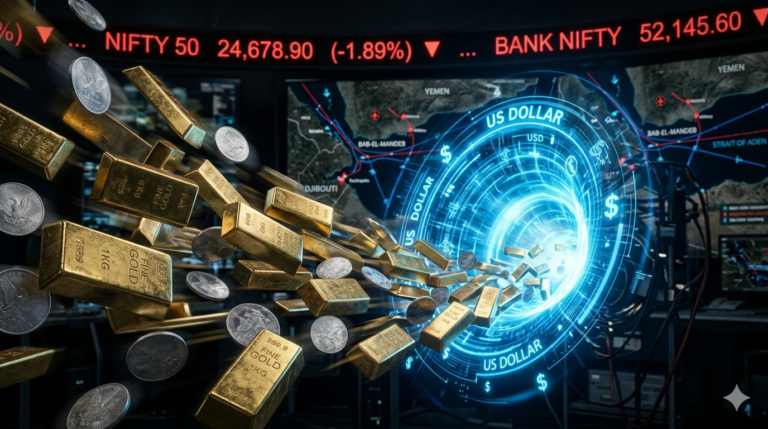
The primary reason for the February 2026 crash was the nomination of Kevin Warsh as the new Federal Reserve Chair.
- A Stronger Dollar: Investors expect Warsh to favor a strong U.S. Dollar and higher interest rates.
- Opportunity Cost: Silver doesn’t pay a monthly dividend or interest. When bond yields go up, big institutional investors move their money out of silver, causing the price to drop.
The Margin Trap: Why the Crash Happened So Fast
he crash wasn’t just about bad news; it was about “market mechanics.”
- Margin Hikes: The CME Group (the exchange where silver is traded) raised the “entry fee” for traders using leverage. Initial margins jumped from 10% to 15%.
- Forced Selling: Many traders who borrowed money to buy silver at $120 suddenly couldn’t afford the new fees. This triggered “forced liquidations,” where computer algorithms sold off silver positions automatically, causing the price to collapse vertically.
China’s New Rules: Silver as a “Weapon”
China produces and refines a massive portion of the world’s silver. On January 1, 2026, they changed the game by reclassifying silver as a Strategic Material.
- Export Restrictions: China now only allows 44 specific companies to export silver. To qualify, a company must produce at least 80 tons a year.
- Supply Squeeze: By keeping silver inside their own borders, China is ensuring its own Solar and EV industries have cheap raw materials, while the rest of the world faces a shortage.
New Growth Driver: AI Data Centers
Beyond solar panels, a new “hidden” demand has emerged in 2026: Artificial Intelligence.
- High Conductivity: AI chips and the massive data centers that power them require ultra-efficient electrical contacts.
- Structural Demand: Analysts estimate that AI infrastructure could add an extra 15–20 million ounces of silver demand annually, making silver a “tech play” rather than just a “commodity play.”
The Rise of Urban Mining (Recycling)
With silver hitting record highs, Silver Recycling is becoming a major trend.
- Sixth Year of Deficit: 2026 is the sixth straight year where the world is using more silver than it mines.
- Sustainable Supply: Since new mines take years to build, the market is relying on “urban mining”—recycling old electronics and solar panels. This ensures that even if mining slows down, the “physical” market remains active.
The Industrial “Must-Have”: Silver is Irreplaceable
Despite the price volatility, silver is no longer just “poor man’s gold.” It is a high-tech necessity.
- Solar Power: You cannot make a high-efficiency solar panel without silver paste. Substitutes like copper oxidize (rust) too quickly.
- The Stanford Breakthrough: In early 2026, researchers found that silver ions can stop cracks in Solid-State Batteries. This technology could allow EVs to charge in 9 minutes and travel 600 miles.
The Silver-to-Gold Ratio: Is it “Cheap” Right Now?
Experienced investors look at the Gold-Silver Ratio (GSR) to see if silver is undervalued.
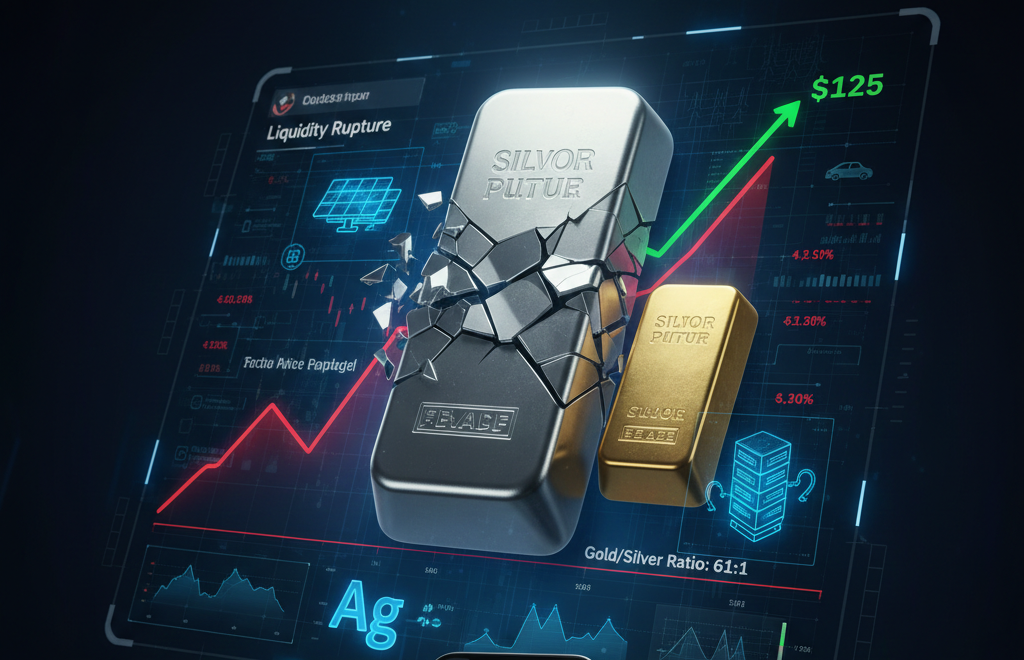
- The Rebound: During the peak in January, the ratio hit 44:1. After the crash, it jumped back to 63:1.
- The Signal: Historically, when the ratio is high, silver is considered “on sale” compared to gold. Many “smart money” investors are using this current ratio as a signal to move funds from gold into silver.
Summary: Is Silver Still a Good Investment?
The February 2026 crash was a “liquidity event,” not a fundamental failure. The world is still in a silver deficit for the 6th year in a row.
The Strategy for Retail Investors In Silver prices crashed :
- Don’t Panic Sell: The industrial demand for AI, Solar, and EVs isn’t going away.
- Use Silver ETFs: Instead of buying physical bars and paying high “making charges,” use Silver ETFs (like Nippon or HDFC). They are liquid, safe, and track the market price perfectly.
- Buy the Dip: Analysts suggest that once the “Warsh Shock” wears off, silver could head back toward $125 by the end of the year.